MY STORY
I've spent my life moving between worlds.
It taught me how access works, how systems fail, and how to build across difference.
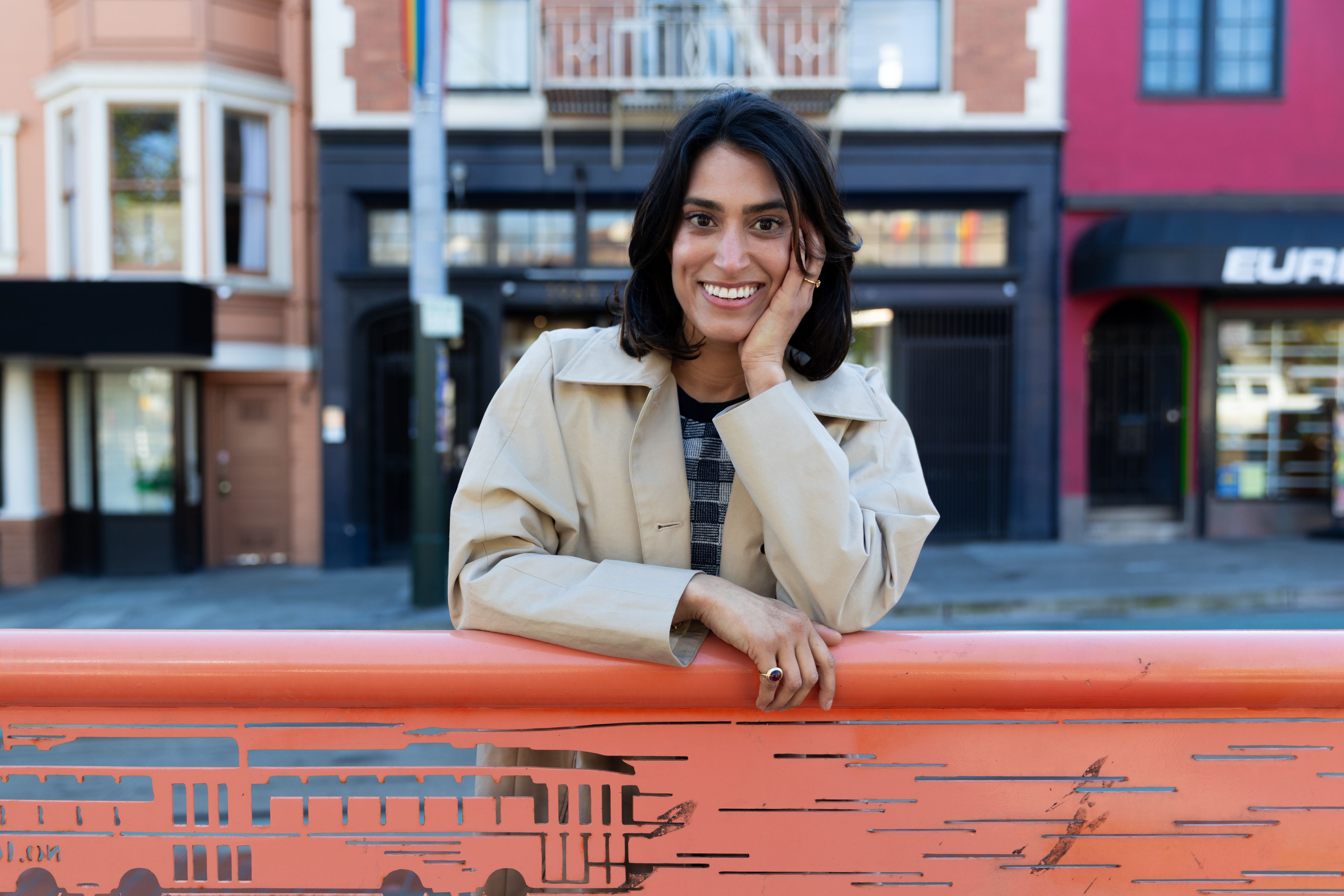
I love District 8.
I've lived in Mission Dolores and Noe Valley for over 10 years, through most of my firsts and all of my biggest decisions. Work has taken me to many places, but I always find myself back here.
Back to coffee walks that start at Chloe's, afternoons co-working at The Dubliner, and deep discussions at Poesia Café. To Dolores Park on a sunny day and sunset drives down Diamond Heights to catch the whole city glowing gold. The J Church (despite its flaws), a kismet night at Last Call, and every book recommendation from Noe Valley Books are what make District 8 home.
From Cole Valley to Glen Park to the Castro, District 8 has always welcomed me. It deserves leadership that sees and loves all of it.
I grew up translating.
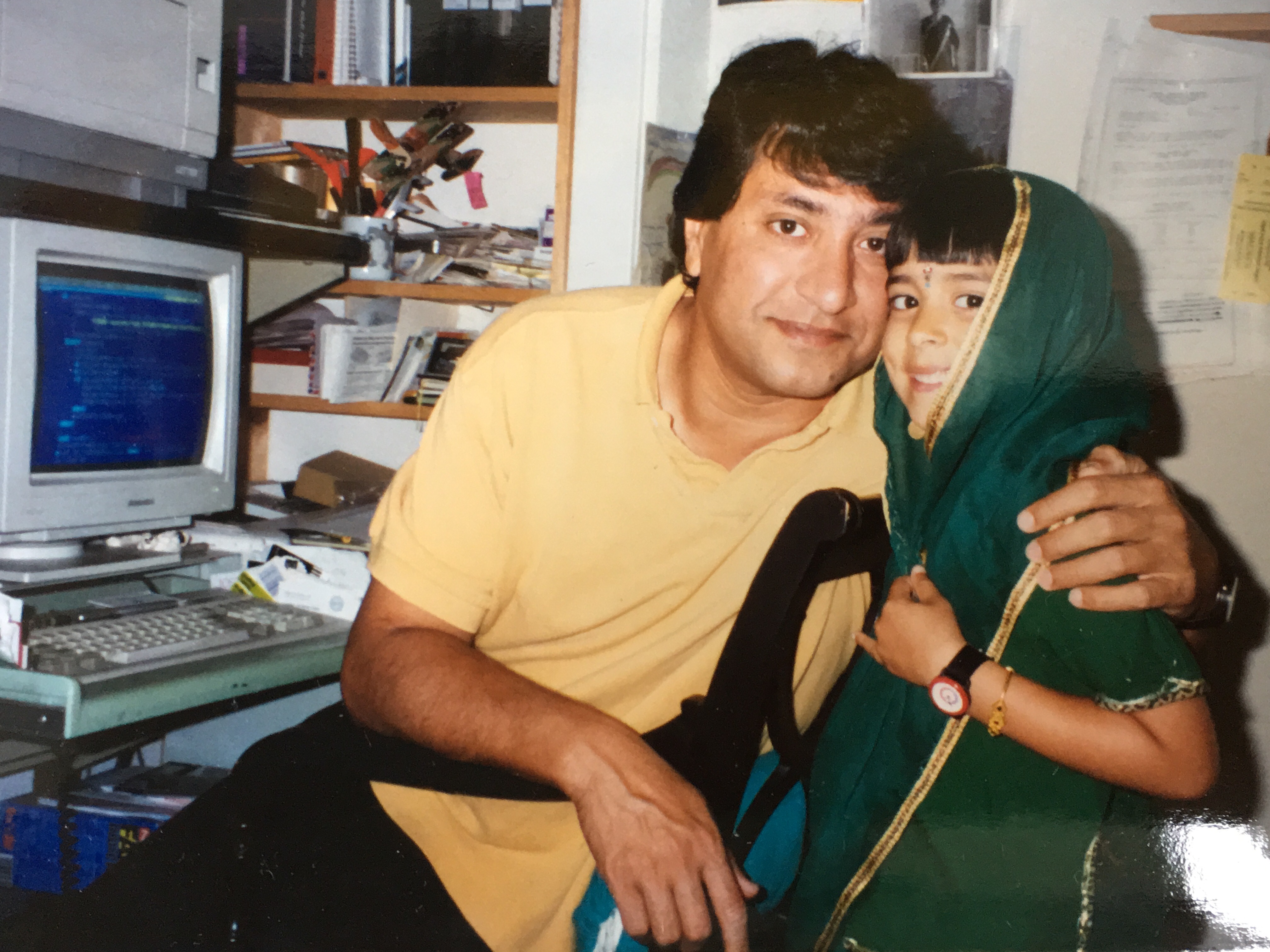
I'm a first-generation American – born and raised in the Bay Area, the eldest daughter of Tanzanian immigrants – and I grew up translating. Not just between languages, but also between cultures and between the world my parents came from and the one I was learning to make sense of.
That instinct to bridge and find where things connect has shaped everything I've done since.
Luck changed how I saw access.
I'm lucky to have had public school teachers who showed up early and stayed late, and I'm lucky to have parents who sacrificed comfort for my education when those same teachers encouraged us to consider private school.
Changing schools showed me how access works up close and how often the difference is whether someone bothers to open the door.
At Wellesley, I got to see women and nonbinary leaders model power derived from critical thinking, passion, and showing up for each other – and for the first time, I found a community that embraced being queer.

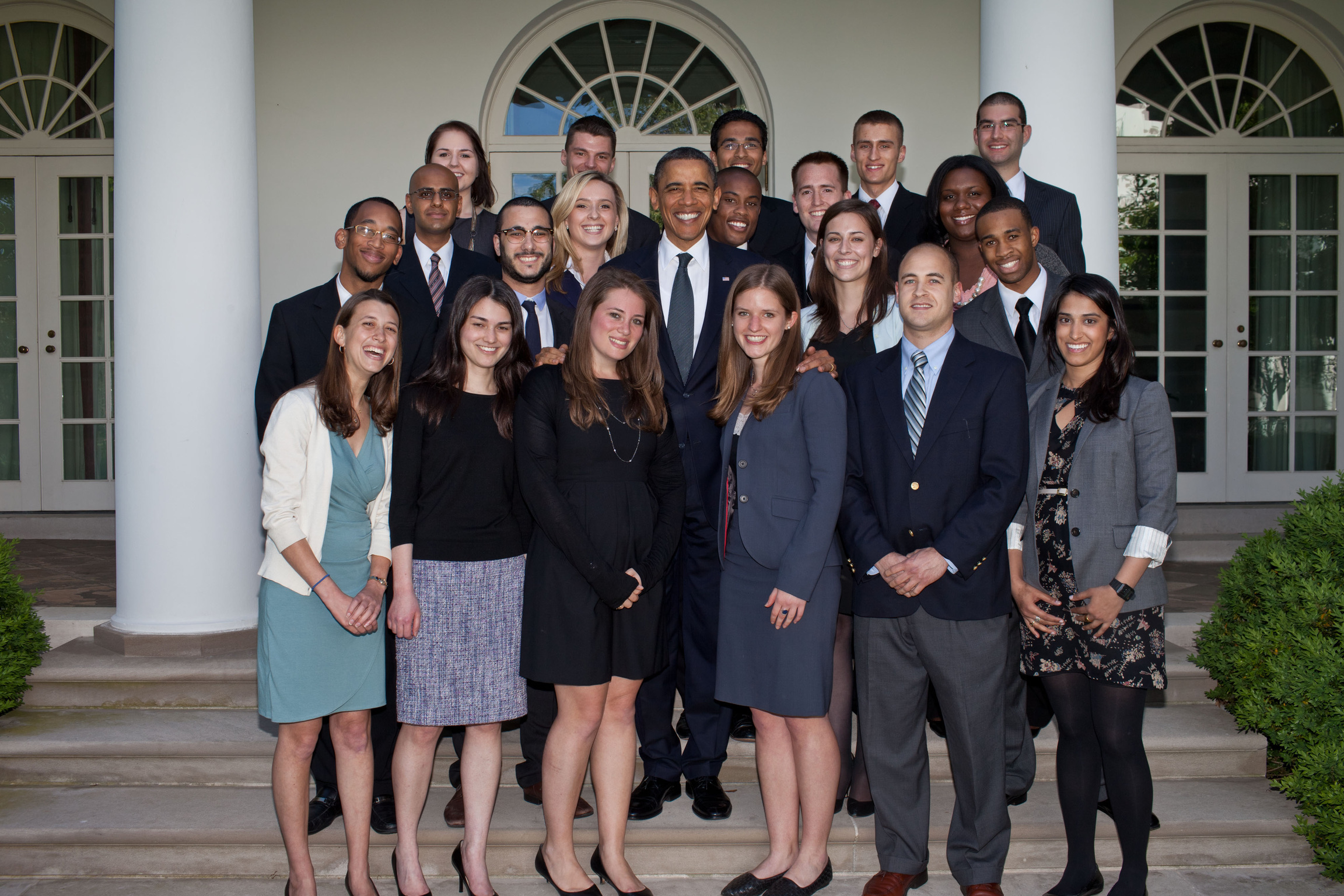
The Obama White House and re-election campaign taught me how to work under pressure.
I carried these lessons to Obama's White House, where I worked on social innovation and civic participation on the Domestic Policy Council. It was my first exposure to how policy actually gets made, and I learned just how far a policy has to travel before it touches anyone's life.
In 2012, on Obama's re-election campaign, I saw how healthy systems require accountability to make them work. I was asked to lead a region in Virginia that had been missing quotas. I didn't walk in with a playbook, but I listened, learned what was missing, and built the operation to close the gap. Within months, we had built a 250-person organization that made over 250,000 voter contacts, quickly ranking among the top regions in the state.
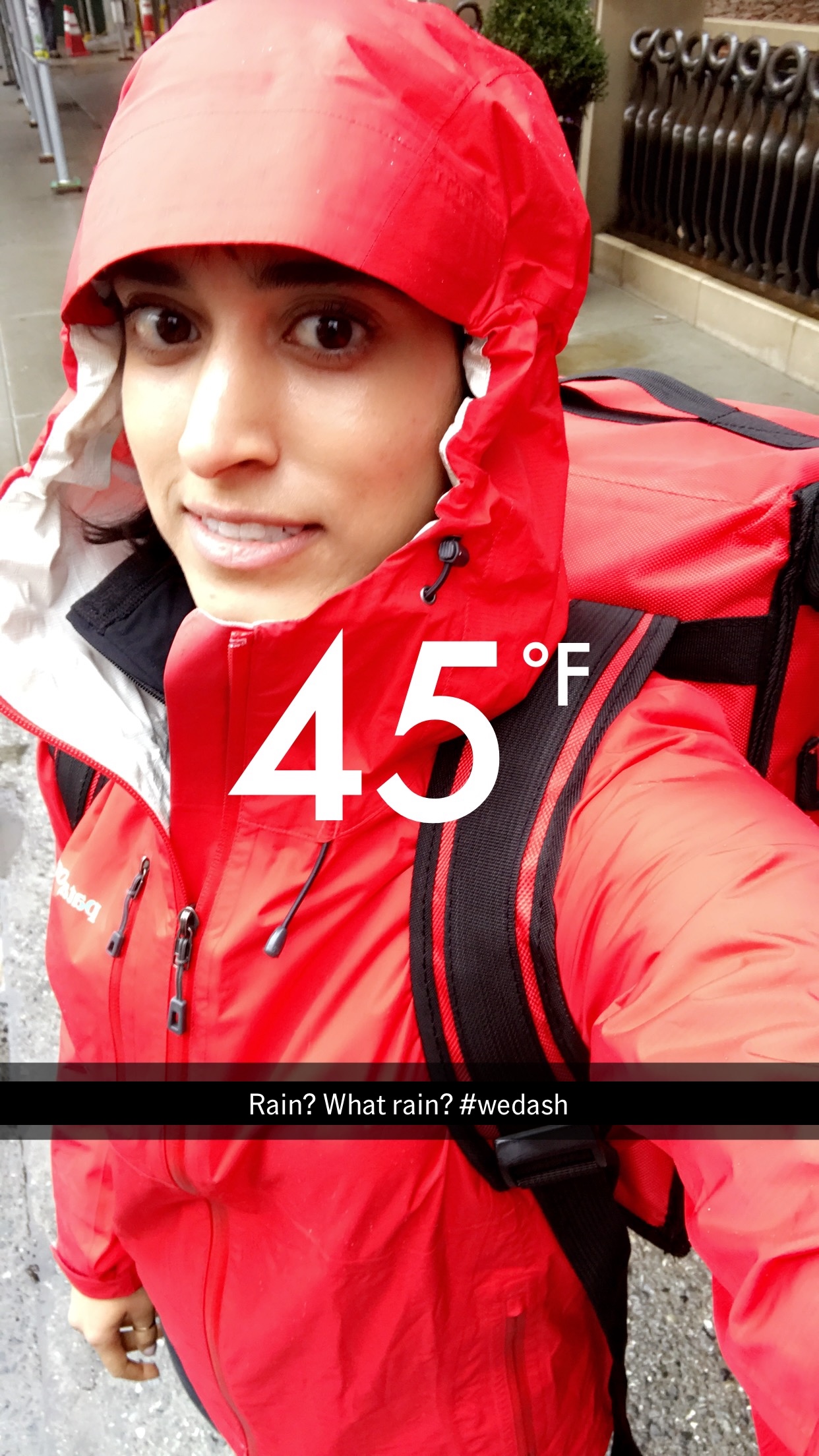
DoorDash taught me how to build. Small business operators taught me how to fight from the inside.
I left DC with a goal to learn how the private sector achieves success, then effect change by translating those lessons back to civil service.
I joined DoorDash before it was a household name and helped launch over 300 markets. As the company grew, I built a new function to advocate for the restaurants powering the business. I met with hundreds of restaurant owners, learned what they actually needed versus what the company assumed, and translated those needs into company priorities. When COVID closed the economy overnight, my team scaled emergency support within weeks.
Hypergrowth taught me that ambiguity is expensive, inefficiencies compound, and no one has time for a meeting that doesn't solve a problem. Policymaking has different constraints than corporate strategy, but that should only push leaders to think more creatively, not less ambitiously.
Government is not a startup, nor should it be, but clarity, accountability, and follow-through matter even more when the stakes are public.
New Hampshire reminded me what's important.
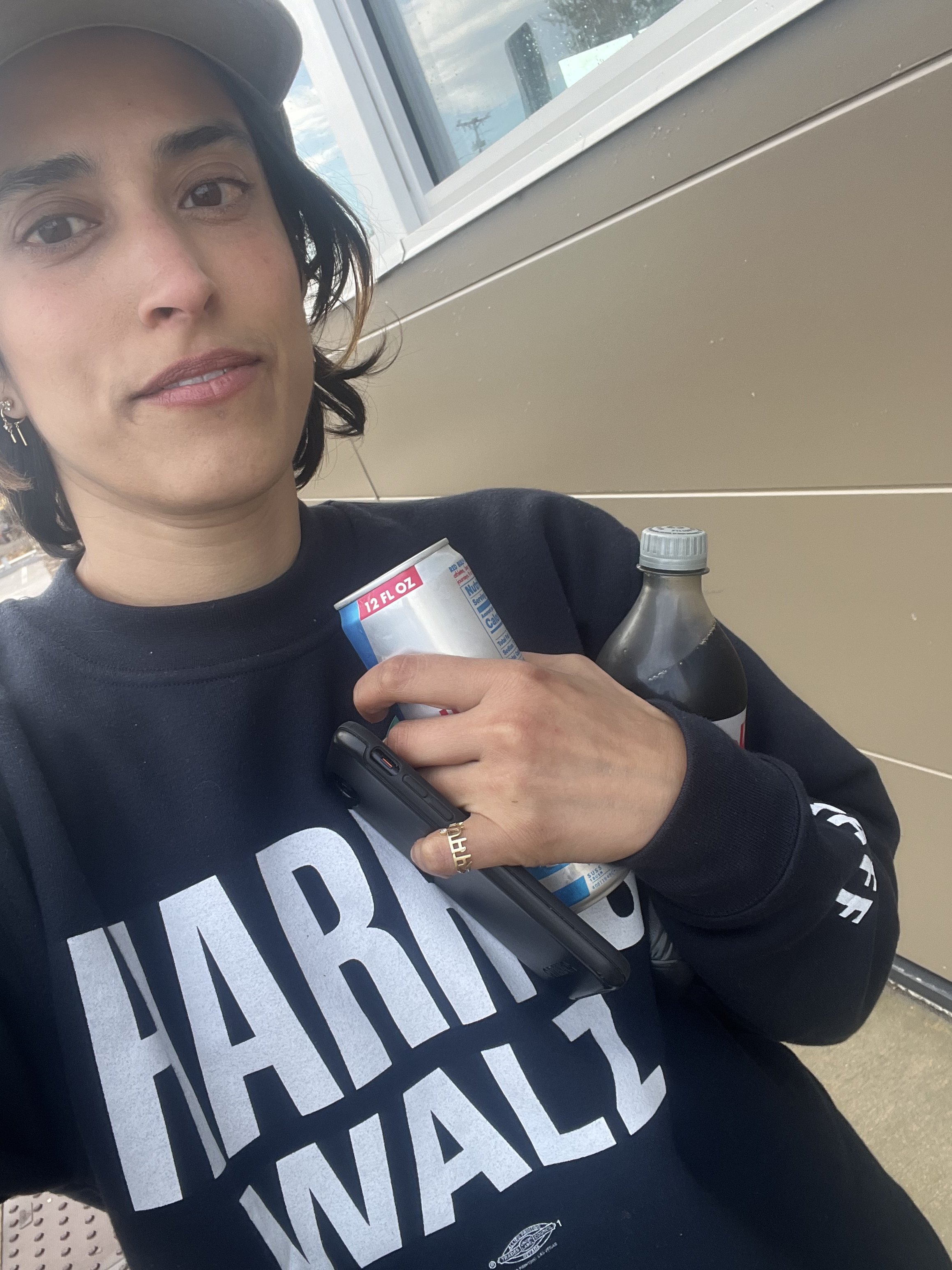
In 2024, the stakes felt too high to stay on the sidelines, and I went to New Hampshire to run get-out-the-vote (GOTV) for Kamala Harris.
Being back in the field brought me back to the part of politics that I love most: talking to real people about the things that actually shape their lives. It reminded me of every reason I'd gone to (and left!) DC in the first place.
Losing that election wasn't just disappointing, it was disorienting. And it forced me to sit with something I'd been overlooking for years: the highest impact issues, from housing and healthcare to whether your government sees you, start much closer to home.
The only way to fix what's broken nationally is to fix what's broken locally first.
I refocused on San Francisco.
I've always followed the hardest problems, and right now that problem is a city that agrees on what it wants but can't figure out how to deliver it.
That gap between intention and results is where I've spent my whole career and where I believe our city can see change.
I'm a District 8 resident who lives to push, find common ground, ask uncomfortable questions, and drive effective solutions for real people regardless of which donor or endorsement might get upset. I'm your neighbor, and I love our neighborhood.
Let me prove it to you.